 ultimate-guide
Planning Multi-Generational Trips to Tamarindo
Quick Summary
Multi-generational trips to Tamarindo work best when planned around the slowest member of the group, not the fastest. Set dates, headcount and budget first, choose a villa with ground-floor bedrooms, and schedule one major activity per day with rest blocks.
- Settle dates, headcount and budget before choosing anything else.
- Pick a villa with a ground-floor bedroom and bathroom and a fenced pool.
- Plan one major activity per day, with a quiet block from roughly 1pm to 3pm.
- Ask each activity operator about stairs, walking distance and boarding steps before booking.
- Leave at least one unstructured afternoon per trip to avoid exhaustion.
Table of Contents
- Why a Multi-Generational Trip to Tamarindo Works
- Step 1: Set the Dates, Group Size and Budget Before Anything Else
- Step 2: Choose a Villa or Lodging That Fits Every Generation
- Step 3: Build a Tamarindo Family Itinerary Around Pacing and Rest
- Things to Do in Tamarindo With Kids, Grandparents and Parents
- Tamarindo Activities for All Ages, Including Mobility and Medical Planning
- Seasonality, Weather and Transport Trade-Offs to Plan Around
- Common Planning Mistakes Multi-Generational Groups Make
- Book Your Multi-Generational Tamarindo Trip With Blue Crab Tours
- Frequently Asked Questions
Why a Multi-Generational Trip to Tamarindo Works
Last Updated: November 8, 2026
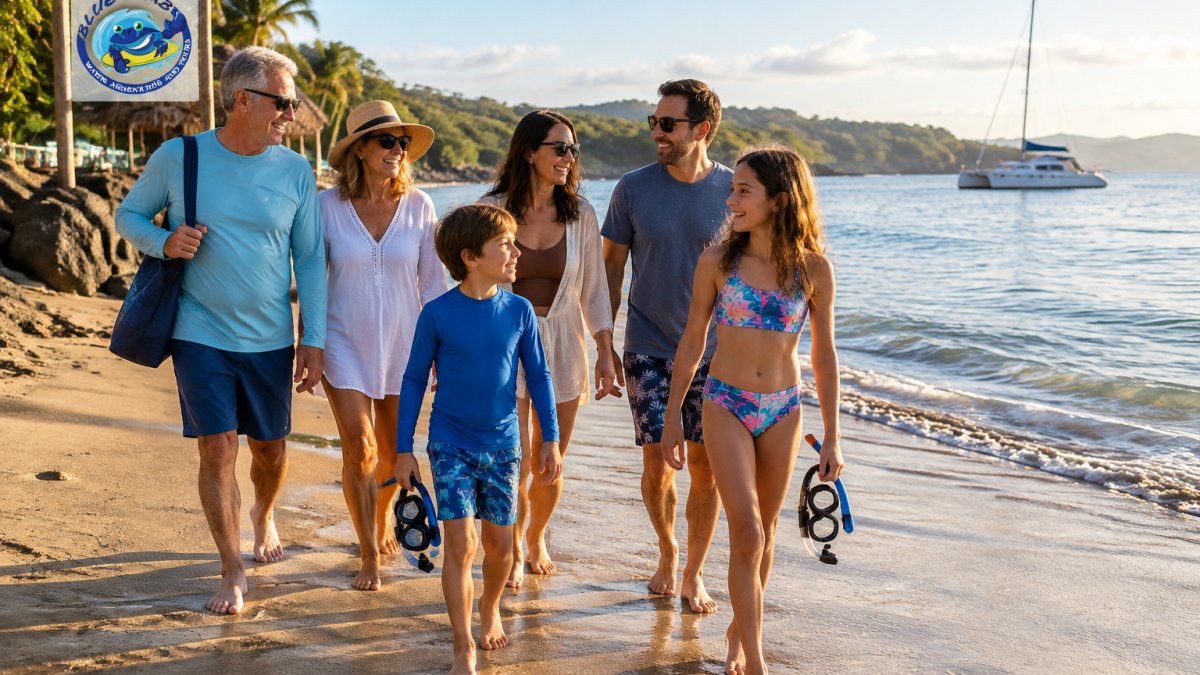
Planning a multi-generational trips plan that brings grandparents, parents and children together takes more coordination than a couple's getaway, but the payoff is shared experiences that few other holidays offer. The trips that work best are planned around the slowest member of the group, not the fastest.
Multi-generational travel means a single trip designed for people with very different energy levels, interests and mobility. Tamarindo suits this well. Activities range from gentle boat rides to active surf lessons.
Here is what makes it work:
- Varied pace in one place. A morning sunset-sailing plan for grandparents can run alongside a surf lesson for teenagers, then reunite for dinner.
- Shared memories with separate options. Everyone returns with a story, even if they did different things.
- Built-in downtime. Long lunches and pool time keep the trip from feeling like a schedule.
Most of these benefits only show up with deliberate planning. The steps below show how to set the groundwork.
Step 1: Set the Dates, Group Size and Budget Before Anything Else
Settle three things first: when everyone can travel, how many people are coming, and what the group can spend. Locking these down early gives every later decision a fixed frame.
Start with dates. Confirm school holidays, work leave and any medical appointments for the oldest and youngest travelers. Larger groups book out faster, so a firm date matters more than it does for a couple.
Next, confirm the headcount, including whether any guest needs a private room or a single-level space. A group of nine needs a different property than a group of five, and some tours cap group size, so check that early.
Finally, agree on a budget and how costs will be shared. A simple shared spreadsheet listing accommodation, tours, meals and transport works well. Decide in advance whether costs split evenly or by room. Pricing depends on group size, dates and what is included, so request current rates from Blue Crab Tours directly.
Planning checklist: travel dates confirmed, headcount final, mobility needs noted, shared budget agreed, cost-sharing method chosen.
Step 2: Choose a Villa or Lodging That Fits Every Generation
Accommodation sets the tone for the whole trip. For multi-generational groups, the priorities are different from a couple's: bedroom placement, bathroom access, shared living space and a pool or shaded area for resting.
Look for a property with at least one bedroom and bathroom on the ground floor, since stairs can be difficult for grandparents and young children. Check whether the pool is fenced, especially if toddlers are coming. Confirm the kitchen equipment, because having a full kitchen lets you cook lighter meals for older members and simple snacks for children.
A villa or vacation rental usually suits large groups better than several hotel rooms, because everyone stays together. Ask the host these questions before booking:
- Is there step-free access from the parking area to the main living space?
- How far is the nearest bathroom from the bedrooms at night?
- Is air conditioning in every bedroom or only some?
- Is there a shaded outdoor area for resting between activities?
Blue Crab Tours offers hotel and airport pick-up included on most tours, which simplifies the first day considerably.
Step 3: Build a Tamarindo Family Itinerary Around Pacing and Rest
A useful itinerary balances energy, not just activities. Plan one major activity per day, then schedule rest before and after it. Mornings tend to suit active outings because the heat builds later, and afternoons are better for quieter plans or pool time. The single most useful rule for mixed-age groups is to plan around the slowest member, not the fastest, a trip that exhausts the grandparents on day two rarely recovers.
A realistic daily rhythm for three generations looks different from a couple's schedule. Most practitioners find that young children and older adults both do best with a morning activity that ends before the midday heat, a long lunch, and a quiet block from roughly 1pm to 3pm. Build that quiet block into every day, not just the arrival day. A sample week that accounts for pacing might look like this:
| Day | Morning | Midday rest | Afternoon | Evening |
|---|---|---|---|---|
| 1 | Arrival, settle in, pool | Long lunch at the villa | Free pool time | Early dinner, early night |
| 2 | Gentle beach walk and swim | Nap or shaded pool time | Sunset sailing cruise | Dinner on board or after |
| 3 | Surf lessons for younger members; beach time for the rest | Villa lunch and rest | Free afternoon | Shared dinner |
| 4 | Volcano excursion with guided walk | Packed lunch and shaded rest stop | Return to villa, lazy afternoon | Light dinner |
| 5 | Private boat or fishing trip | Rest on board or at villa | Pool time | Early dinner |
| 6 | Free morning, split into smaller groups | Flexible | Optional second activity for those with energy | Shared dinner to swap stories |
| 7 | Departure | , | , | Pick-up timed with buffer |
Splitting into smaller groups is one of the most useful habits on a long trip. A grandparent may want a slow beach morning while the teenagers head out for a lesson. Agree on meeting points and check-in times so no one is left wondering where the group is. A simple group chat works well, but confirm that everyone, including grandparents, is comfortable using it before arrival.
Age-specific pacing matters more than most guides admit. For young children, plan around nap times and carry snacks and water; a tour that runs past a toddler's nap window usually ends badly for the whole group. For older adults, avoid back-to-back days with long walks or stairs, and schedule a genuine rest day after any excursion that involves heat or uneven ground. A common pattern is to alternate an active day with a quieter one, so no one faces two demanding days in a row.
Build in a contingency for the day someone needs to skip an activity.
Watch out: a fixed package itinerary that assumes everyone participates in every activity is the most common reason multi-generational trips feel rushed. Build the rest blocks and the split-group options into the plan before you book, not after.
Things to Do in Tamarindo With Kids, Grandparents and Parents
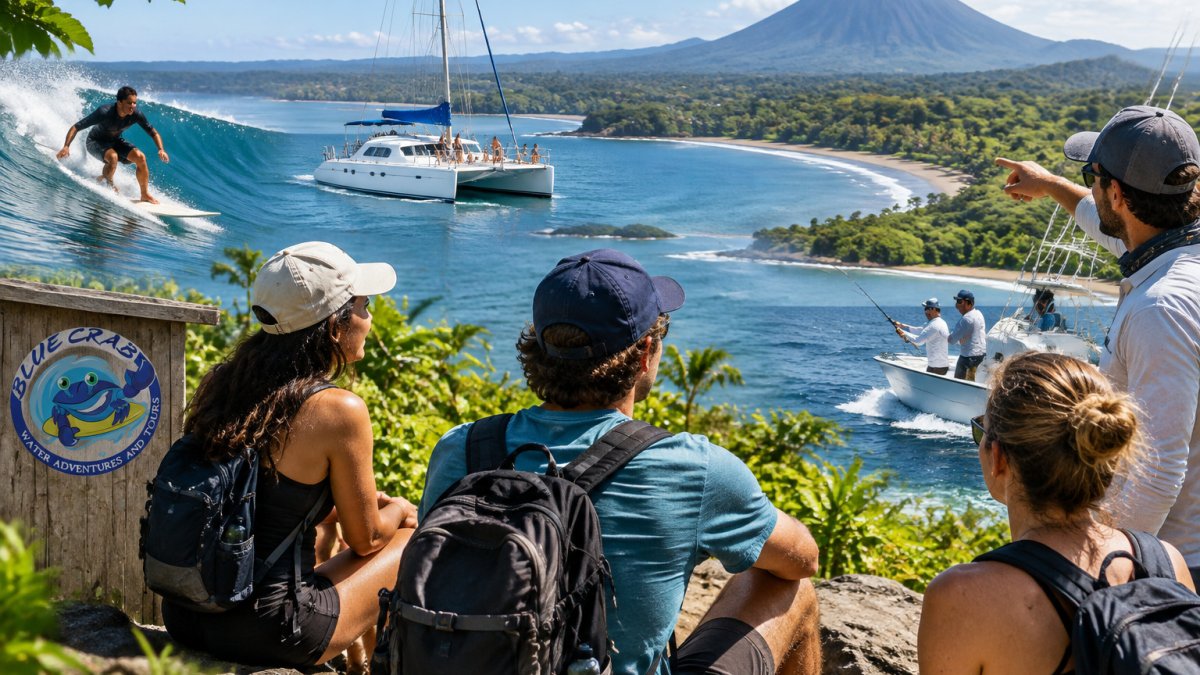
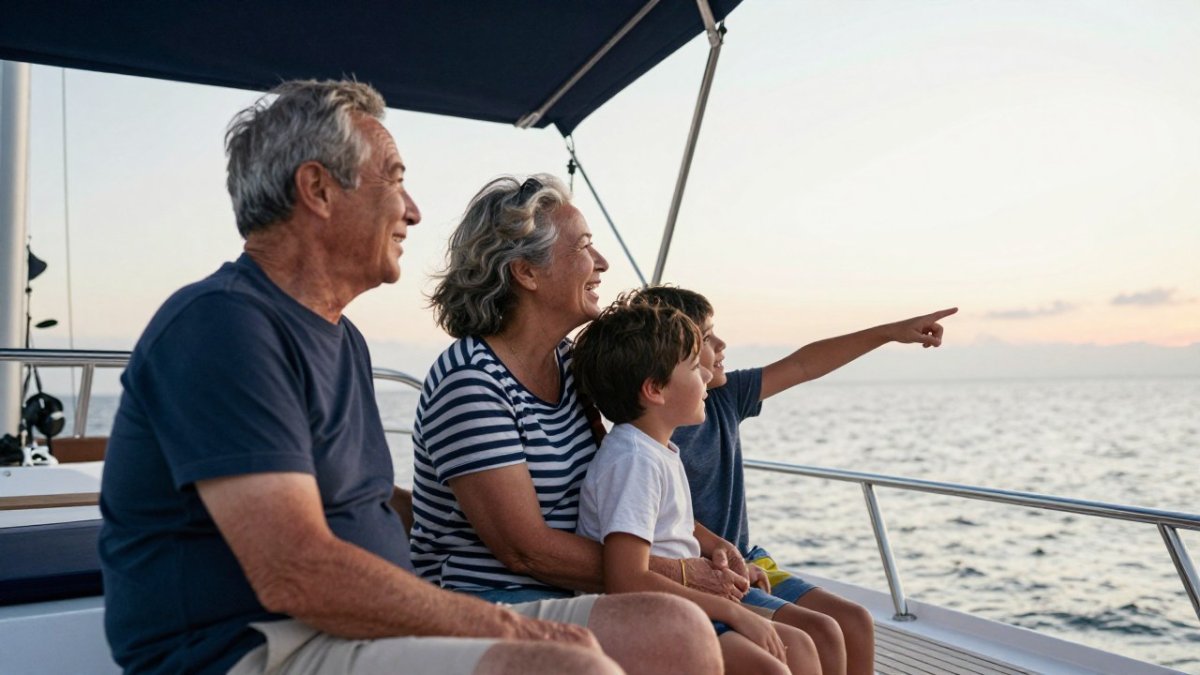
Activity choice is where many groups either succeed or stall, so match each activity to the people who will enjoy it, and to what their bodies can comfortably do. A catamaran sunset cruise suits almost everyone: it's relaxed and scenic. Ask before booking whether the boat has steps or a ladder for boarding, and whether there is a shaded seating area.
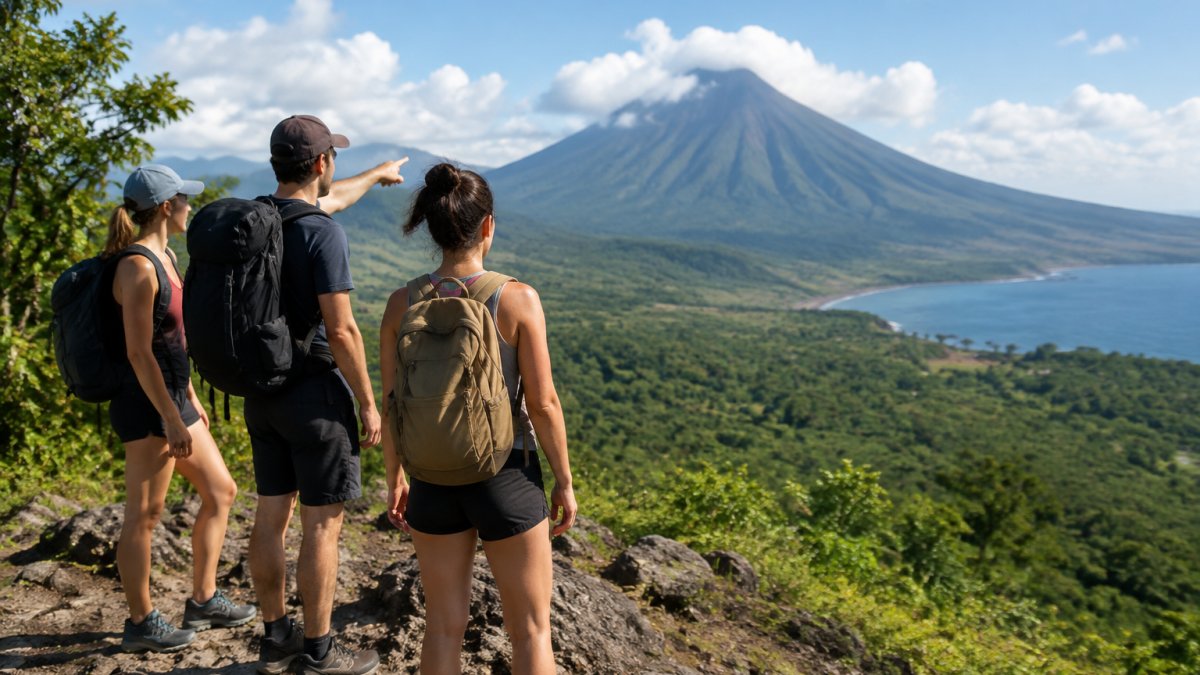
Volcano tours and boat trips can be enjoyable for multiple generations, but check the walking involved and the terrain before committing. Ask the operator about the route length, the number of stairs, whether the path is paved or uneven, and whether there are shaded rest points. A guided walk that is easy for teenagers can be genuinely difficult for a grandparent with knee trouble, and the heat raises the effort for everyone. A common pattern is to choose one guided nature walk per trip rather than several, and to pair it with a low-effort day on either side.
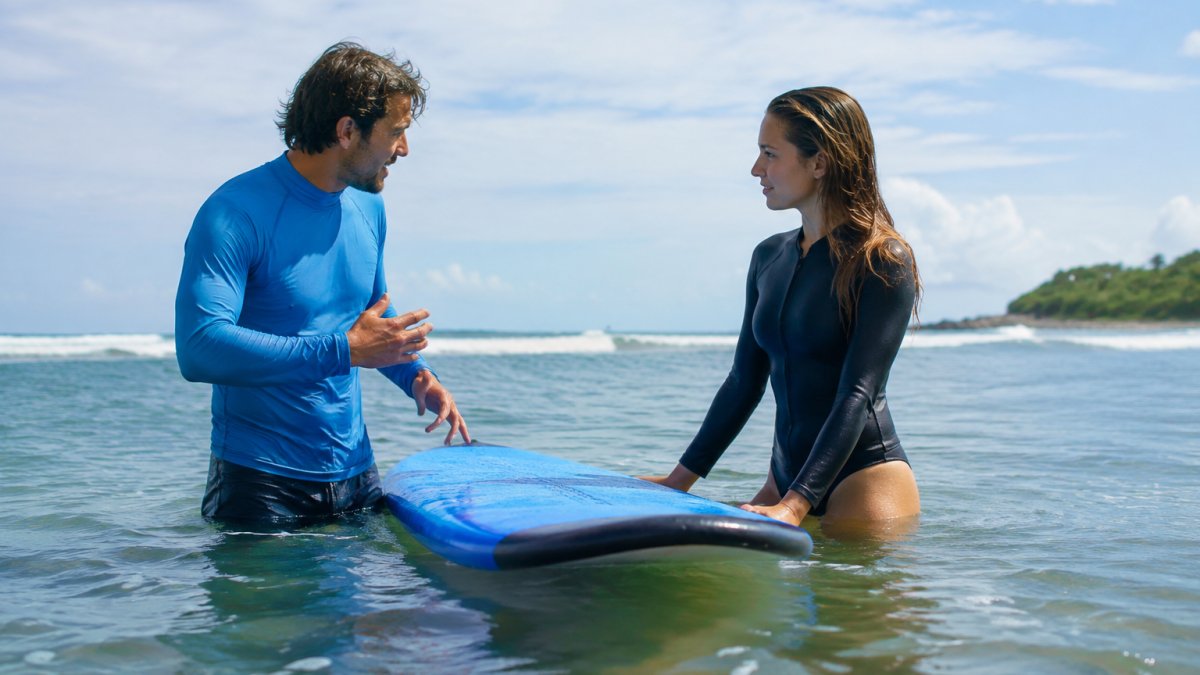
Surf lessons are best for those who are comfortable in the water. Private lessons let a beginner or teenager learn at their own speed, which keeps the group flexible. See how to book private surf lessons for one family member. Grandparents who don't surf often enjoy the beach, a drink under a palapa, or a short walk instead. Confirm the walking distance from the parking or drop-off point to the lesson spot, because soft sand and heat can make a short walk feel long for older travelers.
Mobility planning deserves a direct conversation before any booking. Ask each traveler about walking ability, balance, sun sensitivity, medication schedules and dietary restrictions, and share this with your tour operator so routes and timing can be adjusted. For beach access, note that some entries involve soft sand or a slope; ask whether there is a firmer path or a drop-off closer to the water. For boat trips, ask whether boarding is via a ramp, steps or a ladder, and whether crew can assist. For any activity with a long walk, ask whether a shorter alternative exists, many operators can offer a shaded waiting point or a reduced route.
Many families also find that mixing group outings with personal time keeps everyone happy. Activities like these work well across generations, with the trade-offs noted:
- Sunset sailing with drinks and snacks on board, low effort, but confirm boarding steps and shade.
- A volcano or waterfall visit with a guided walk, check distance, stairs and rest points first. Learn how to plan a volcano tour that works for mixed ages.
- Surf lessons for beginners, with private options, best for confident swimmers; spectators need shade and a short walk.
- A relaxed boat trip for spotting marine life, low effort, but ask about seating and sun cover.
- A shared dinner to swap stories from the day, the easiest activity to get right for every age.
Blue Crab Tours offers bilingual guides, which helps when younger children or grandparents need clear explanations during an outing.
Watch out: booking several walking-heavy activities in one week is the most common way multi-generational groups overestimate what grandparents and young children can handle in the heat. Choose one or two, and keep the rest low-effort.
Tamarindo Activities for All Ages, Including Mobility and Medical Planning
Planning for mobility and health needs is often skipped, yet it shapes every activity choice. Before booking, ask each traveler about walking ability, sun sensitivity, medication schedules and any dietary restrictions. Share this information with your tour operator so they can adjust routes and timing.
For mobility, note which activities involve stairs, uneven ground or long walks. Ask whether boats have steps or ladders, and whether there's a dedicated area to sit if someone tires quickly. For medical planning, keep copies of prescriptions, pack a basic first-aid kit and identify the nearest medical facility to your accommodation before the trip begins.
Sun and heat planning matter too. Hats, high-factor sunscreen, water and shaded breaks reduce the risk of heat-related illness for everyone, particularly grandparents and young children.
Seasonality, Weather and Transport Trade-Offs to Plan Around
Weather in Costa Rica varies more than many travelers expect. The dry season generally offers more predictable sun for beach days and boat trips, while the rainy season brings afternoon showers and can make roads slower. Drive times take longer than the map suggests, particularly on rainy days, so build generous buffers around any tour that needs a fixed departure. Read a practical guide to getting around Costa Rica.
Transport is the other trade-off. Hotel and airport pick-up included on most tours simplify the first and last days, but ask whether the vehicle fits your full group with luggage. For mixed-age groups, a larger vehicle or two smaller ones can make a major difference in comfort.
Ask Blue Crab Tours about custom itineraries built around your group's schedule.
Common Planning Mistakes Multi-Generational Groups Make
A common mistake is planning every hour. Groups that fill each day with activities often end up exhausted, and the youngest and oldest members tend to suffer most. Leave at least one unstructured afternoon per trip.
Another frequent error is underestimating travel time. Build buffers into every pick-up and drop-off, and tell your operator about any tight connections before the trip.
Groups also forget to agree on decisions early. Who pays for what, who has the final say on activities and what happens if someone wants to leave early all need answers before arrival. A short conversation before the trip prevents tension on the day.
Finally, many groups book a property without checking bathroom access at night. This is easy to overlook and hard to fix mid-trip, so ask about it before you pay a deposit.
Book Your Multi-Generational Tamarindo Trip With Blue Crab Tours
Planning a trip for three generations takes care, but the right structure makes it rewarding for everyone. At Blue Crab Tours, we tailor sunset cruises, volcano tours, surf lessons and boat trips to the group in front of us, with bilingual guides and hotel or airport pick-up included on most tours. Reach out on WhatsApp to share your dates, group size and any mobility needs, and we'll help you shape a plan that works for every age.
Frequently Asked Questions
How do you plan a multi-generational family trip to Tamarindo?
Start by fixing dates, group size and a shared budget, then choose a villa with separate bedrooms and a bathroom near the main living area so older travelers can rest. Next, build a daily plan with one main activity per day and an unscheduled afternoon. Book pick-up and transfers early, since drives take longer in the rainy season, and confirm that each tour operator can accommodate the youngest and oldest members of the group.
How many days should a multi-generational family spend in Tamarindo?
Most multi-generational groups do best with at least five to seven days. That gives younger children time to adjust to the heat and time zone, lets grandparents avoid rushing, and leaves room for one rest day. Shorter stays often feel packed when you add airport transfers and recovery time after long flights. A week-long trip usually gives enough time for beach days, a boat tour and one full-day excursion without overloading the schedule.
What are the best activities in Tamarindo for grandparents, parents and children?
Sunset catamaran cruises are a relaxed option for most ages. Volcano and waterfall visits suit adults and older children who can handle some walking, while shorter wildlife viewing tours are easier for grandparents. Surf lessons suit teens and adults, and beach time is a good shared activity for the youngest kids. Mix one active outing with one slower activity each day so no generation is left out.
How can you choose activities that suit different ages and mobility levels?
Ask each traveler about walking distance, balance, heat tolerance and swimming ability before booking. Choose lower-effort tours for older travelers, and keep physically demanding activities such as surfing for those who want them. Confirm with the operator that guides can adjust the pace and that pick-up locations are accessible. Plan a backup activity in case someone is tired or unwell on the day.
What should a family pack for a trip to Tamarindo?
Pack lightweight, quick-dry clothing, reef-safe sunscreen, a hat, sunglasses, reusable water bottles and sandals that can get wet. Bring any prescription medication in its original packaging, a basic first-aid kit with motion sickness and pain relief, and copies of medical information for each traveler. Add a rain layer for the green season, a dry bag for phones and a small daypack for excursions.
How do you balance group activities with free time on a family vacation?
Schedule one anchor activity per day, usually in the morning when temperatures are lower, and leave the afternoon open for rest, pool time or independent exploring. Let each generation pick one activity during the trip so everyone has a turn choosing. Agree on a meeting time and place for dinner so the group reconnects without forcing every hour together.
What should you consider when choosing accommodation for a multi-generational group?
Count bedrooms and bathrooms against the group size, and prioritize a ground-floor or step-free bedroom for anyone with limited mobility. Look for a shared living area with space for everyone to gather, a kitchen or meal support for dietary needs, and a location close enough to the beach that short walks are manageable. Confirm whether hotel or airport pick-up is available for your tour.